Too many teams treat toolbox talks as checkbox exercises. A supervisor reads from a crumpled sheet, workers nod along, and within minutes, everyone forgets what was said. The problem isn’t the format—it’s the content. Generic, outdated, or irrelevant topics drain engagement and weaken safety culture.
The solution? High-quality, downloadable toolbox talk topics tailored to real-world risks. When teams discuss focused, timely, and relatable safety issues—like proper ladder use or spotting heat stress signs—compliance isn’t forced, it’s understood.
This guide delivers actionable toolbox talk topics you can download, customize, and deploy immediately. Whether you’re managing a construction crew, warehouse team, or maintenance unit, these resources close the gap between policy and practice.
What Makes a Toolbox Talk Topic Effective
Not all topics are created equal. A successful session hinges on relevance, clarity, and practicality.
Relevance means the subject matches current tasks, site conditions, or recent incidents. Talking about fall protection during roof work? Strong. Discussing forklift safety on a day with no equipment operation? Weak.
Clarity ensures every worker understands the hazard and the mitigation steps. Avoid jargon. Use real photos, diagrams, or on-site examples. Instead of saying, “Review lockout/tagout procedures,” try, “Show me how you’d isolate this conveyor before clearing a jam.”
Practicality turns knowledge into action. Workers should leave knowing exactly what to do differently.
Common Mistakes in Topic Selection
- Repeating the same 10 topics monthly
- Choosing broad themes (“General Safety”) over specific hazards
- Ignoring seasonal risks (e.g., cold stress in winter)
- Failing to link topics to recent near-misses or incidents
A strong topic list evolves weekly, responds to conditions, and reflects team feedback.
Top 10 Downloadable Toolbox Talk Topics (With Use Cases)
These are proven, high-impact topics that safety managers download and reuse. Each supports immediate application and can be adapted to PDF or print formats.
1. Working at Heights: Guardrails, Harnesses & Rescue Plans Use Case: Rooftop HVAC installation on a commercial site. Discuss proper harness fitting, anchor point checks, and the 6-foot fall protection rule. Include a quick quiz: “Can you reach the edge without triggering a fall?”
2. Hand Tool Safety: Inspection & Proper Use Use Case: Daily pre-shift checks on a renovation crew. Review how to spot cracked handles, frayed cords, or worn blades. Demonstrate striking a chisel with a mallet—never a hammer.
![The 18 Best Construction Toolbox Talk Topics [Free Pdf Download] – FXMET](https://worksafetyqld.com/wp-content/uploads/2021/08/101-Toolbox-Talk-Ideas-for-the-Construction-Industry-Blog-Cover-980x551.png)
3. Slips, Trips & Falls: Housekeeping Matters Use Case: Warehousing team moving materials in low light. Highlight cord management, spill response time, and proper footwear. Use a photo from your own site to point out hazards.
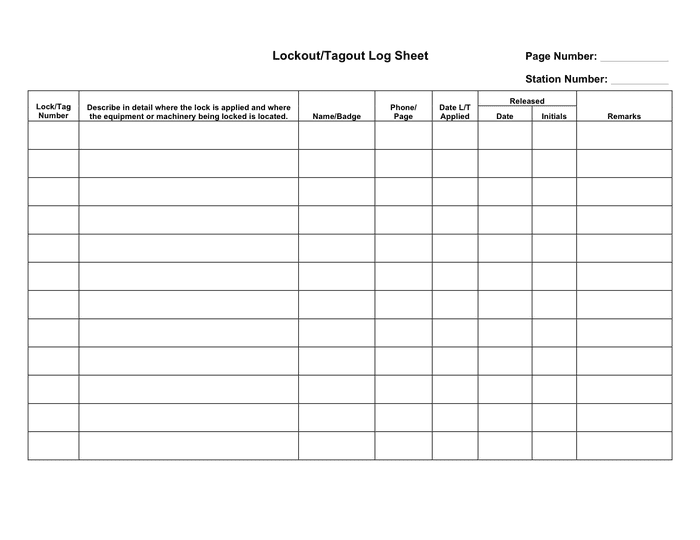
4. Electrical Safety: Lockout/Tagout (LOTO) Basics Use Case: Maintenance on industrial machinery. Walk through the 5-step LOTO process. Have a worker demonstrate tagging a breaker and verifying zero energy.
5. Heat Stress: Signs, Symptoms & Prevention Use Case: Road paving crew in mid-summer. Teach workers to recognize dizziness, nausea, or flushed skin. Enforce water breaks every 30 minutes and shade rotation.
6. PPE Review: Right Gear for the Job Use Case: Fiberglass installation team. Compare standard gloves vs. cut-resistant ones. Show the difference in eye protection—safety glasses vs. full-face shields.
7. Excavation & Trenching Hazards Use Case: Utility line repair in urban areas. Focus on soil classification, shoring needs, and atmospheric testing. Emphasize: “Never enter a trench deeper than 5 feet without protection.”
8. Mobile Equipment Blind Spots Use Case: Loading dock with frequent forklift traffic. Use tape to mark blind zones around a vehicle. Train spotters and operators on hand signals and communication protocols.
9. Hazard Reporting: Why and How to Speak Up Use Case: New hires hesitant to report unsafe conditions. Share an anonymous near-miss example. Clarify the reporting chain and stress “no retaliation” policies.
10. Winter Safety: Ice, Visibility & Layering Use Case: Landscaping crew clearing snow at dawn. Cover traction devices, high-vis gear in low light, and frostbite prevention. Remind teams: “Cold isn’t just uncomfortable—it’s dangerous.”
Each of these topics can be turned into a 1-page downloadable guide with a hazard summary, safety steps, discussion questions, and a sign-off sheet.
Where to Find Reliable Toolbox Talk Topics for Download
Not all free resources are equal. Many sites offer PDFs filled with vague advice or outdated standards. Prioritize sources that: - Align with OSHA, ANSI, or local regulations - Include customizable fields (date, site, attendees) - Use visual aids and plain language - Are updated regularly
Trusted Sources for Downloadable Topics
- OSHA Official Website – Free, regulatory-aligned topics with checklists.
- SafetyForce – Offers customizable templates and digital sign-in.
- Workplace Safety Solutions – Industry-specific packs (construction, manufacturing).
- SafetyNow – Pre-written talks with presenter notes and quizzes.
- Creative Safety Supply – Visual-heavy PDFs with diagrams and best practices.
Avoid random blog posts or outdated .doc files from unknown forums. Quality matters—your team’s safety depends on accurate information.
How to Customize Downloaded Topics for Maximum Impact
A template is only a starting point. To make it stick, tailor every talk to your site.
Step 1: Add site-specific photos. Show the actual ladder, machine, or area in question. Step 2: Insert recent incidents (anonymized). “Last week, a near-miss occurred here because…” Step 3: Include team input. Ask workers: “What’s one hazard you’ve noticed this week?” Step 4: Use local metrics. “Our site had 3 dropped tools last month—how do we stop that?” Step 5: Assign follow-up actions. “John will inspect all harnesses by Friday.”
Customization transforms a generic talk into a shared safety commitment.
Integrating Downloaded Topics Into Your Safety Workflow
A PDF doesn’t improve safety—consistent use does. Build a repeatable system:
Weekly Planning
- Every Friday, download or select next week’s topics based on upcoming tasks.
- Match at least one topic to seasonal or environmental conditions (e.g., lightning safety during storm season).
Pre-Meeting Prep
- Print or load talks on a tablet.
- Assign a different worker each week to co-lead.
During the Talk
- Keep it under 10 minutes.
- Use open-ended questions: “What would you do if…?”
- Record attendance and key points.
Post-Talk Follow-Up
- Post summaries on site boards.
- Track recurring issues and escalate if needed.
This workflow ensures topics aren’t just downloaded—they’re deployed.
Free vs. Paid Toolbox Talk Topic Packs: What’s Worth It?
You’ll find both free downloads and paid subscription services. Here’s how to decide:
| Feature | Free Resources | Paid Platforms |
|---|---|---|
| Regulatory Updates | Often delayed | Real-time updates |
| Customization | Limited | Full editing, branding |
| Tracking & Reporting | Manual | Digital logs, analytics |
| Support | None | Email/phone assistance |
| Content Depth | Basic outlines | Full lesson plans, quizzes |
Verdict: For small teams with limited risk exposure, free OSHA-aligned downloads work. For larger operations, contractors, or safety-managed firms, paid platforms like SafetyCulture or Safesite justify their cost through compliance tracking, audit trails, and time saved.
Final Tips for Sustaining Engagement
Even the best topics fall flat without delivery. - Rotate facilitators. Let crew leads or experienced workers run talks. - Mix formats. Use videos, props, or real equipment during sessions. - Reward participation. Recognize workers who report hazards or lead discussions. - Review past topics. Revisit key themes monthly to reinforce learning.
A toolbox talk should spark conversation—not silence. When workers ask questions or share experiences, you’ve hit the mark.
Download the right topics, adapt them to your team, and run tight, relevant sessions. Over time, safety shifts from compliance to culture. Start with one strong topic this week—download it, discuss it, and act on it. That’s how real change begins.
FAQ
What should you look for in Toolbox Talk Topics Download: Practical Safety Guides for Teams? Focus on relevance, practical value, and how well the solution matches real user intent.
Is Toolbox Talk Topics Download: Practical Safety Guides for Teams suitable for beginners? That depends on the workflow, but a clear step-by-step approach usually makes it easier to start.
How do you compare options around Toolbox Talk Topics Download: Practical Safety Guides for Teams? Compare features, trust signals, limitations, pricing, and ease of implementation.
What mistakes should you avoid? Avoid generic choices, weak validation, and decisions based only on marketing claims.
What is the next best step? Shortlist the most relevant options, validate them quickly, and refine from real-world results.